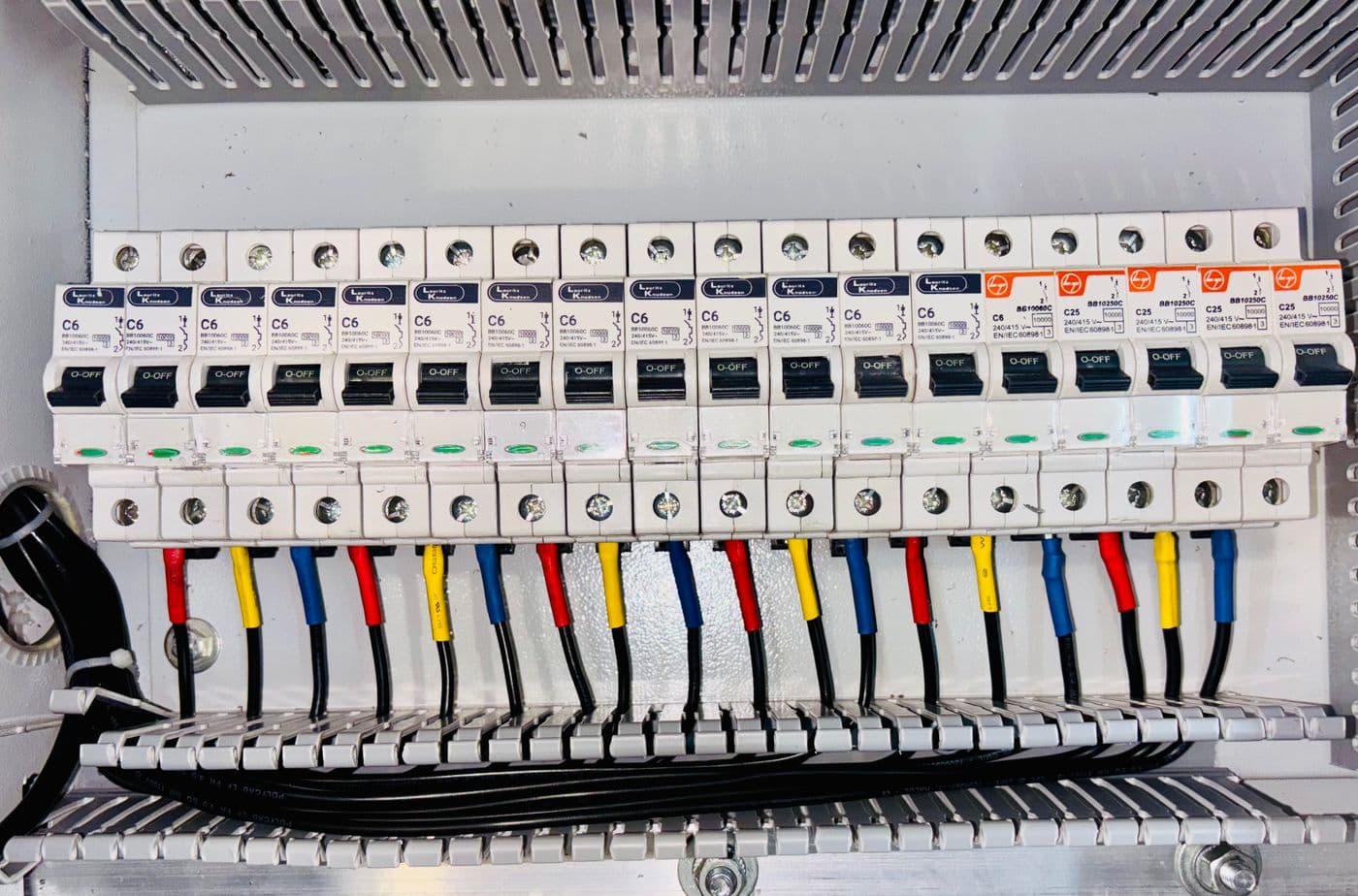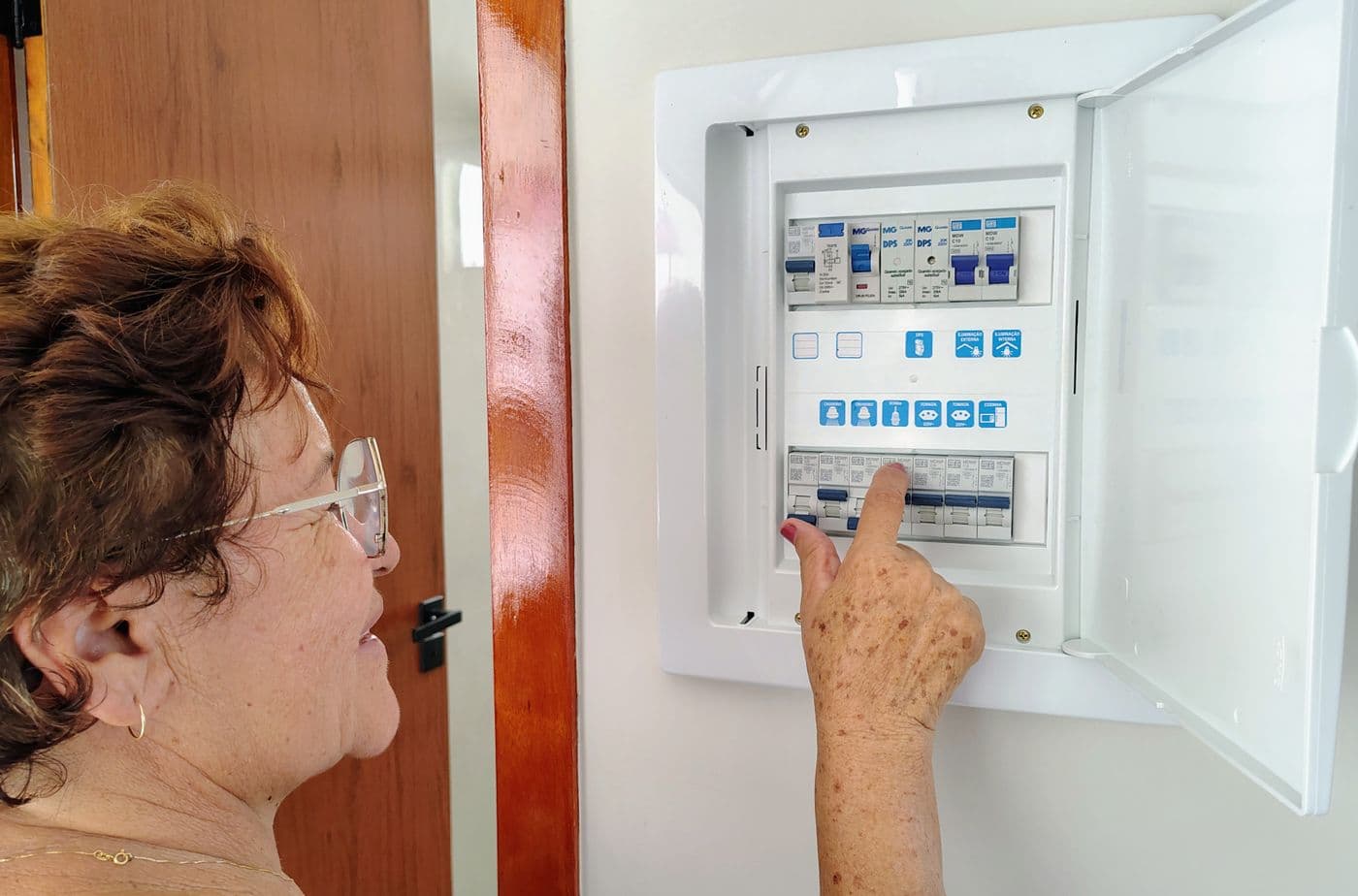
Almost every home has had the experience: the lights go out in one room, you walk to the board, push a switch back up, and everything returns to normal. Do that once and it is forgettable. Do it three times in a week and something is genuinely wrong.
An MCB is a protective device. It does not trip because it is faulty or old-fashioned — it trips because current on that circuit exceeded what the device allows. Understanding which of four situations caused it turns a recurring annoyance into a solvable problem.
The four reasons a breaker trips
Everything that trips a domestic breaker falls into one of four categories. They feel similar from the outside but they have completely different fixes, and treating one as another is how people end up with a problem that never goes away.
1. Overload
The circuit is being asked to carry more current than it was designed for. This is the most common cause and the easiest to recognise: the trip happens when a particular combination of appliances is running, and it happens reliably. Switch one of them off and the circuit holds.
Overload is a design problem rather than a fault. Nothing is broken; the wiring is simply carrying a load that did not exist when it was installed. Adding an air conditioner, a geyser or an induction hob to a circuit that already runs the lights and sockets of two rooms will do it.
2. Short circuit
Live and neutral have come into direct contact, and the current that flows is enormous and instantaneous. A short circuit trips the breaker the moment it happens, usually with a bang and sometimes with a flash. It does not build up gradually.
Common causes are a damaged appliance cable, a nail or screw driven into a concealed cable, water reaching a connection, or a failed appliance. A short circuit needs finding before the circuit is re-energised — this is not something to reset and hope about.
3. Earth leakage
Current is escaping from the circuit to earth, through damaged insulation, moisture, or a failing appliance element. This is what an RCCB detects, and it trips at a level far below anything that would harm the wiring — because the point is protecting people, not cables.
Earth leakage is the cause behind most monsoon tripping. It is also usually the cause when the whole flat goes dark rather than one room, because in many installations a single RCCB covers everything.
4. The breaker itself has failed
MCBs are mechanical devices and they wear out, particularly if they have been tripping regularly for years. A breaker that trips at well below its rating, feels loose, or will not stay latched has reached the end of its life and simply needs replacing.
How to work out which one you have
You can narrow this down considerably before calling anyone, and the information genuinely speeds up the repair.
- 1Note whether the trip is at the MCB (one circuit) or the RCCB (usually everything). RCCB tripping means leakage; MCB tripping means overload or short circuit.
- 2Note when it happens. Reliably when the geyser starts? Overload or a failing element. Randomly, more in the rains? Leakage.
- 3Unplug everything on the affected circuit, then reset. If it holds, an appliance is at fault. If it trips with nothing connected, the fault is in the wiring.
- 4Plug appliances back one at a time, waiting a few minutes between each. The one that trips it is your culprit.
- 5If it trips instantly and violently every time, stop. That is a short circuit and it needs an electrician, not more resets.
Never fit a bigger MCB to stop the tripping
It is the most dangerous shortcut in domestic wiring. The breaker is rated to protect the cable behind it; a larger one lets that cable overheat without ever tripping. If a circuit trips on load, the answer is to reduce the load or add a circuit — never to raise the protection.
Why repeated resetting makes things worse
Each time a breaker interrupts a fault current, its contacts take a small amount of damage. Doing that dozens of times degrades the device until it no longer trips reliably — which means the protection you are relying on may not be there when it matters.
There is a second problem. Whatever is causing the trip is usually also generating heat somewhere: at a loose terminal, at a damaged section of cable, or inside a failing appliance. Resetting restores power to that heat source. The tripping is the symptom you notice; the heat is the one you do not.
What a proper diagnosis involves
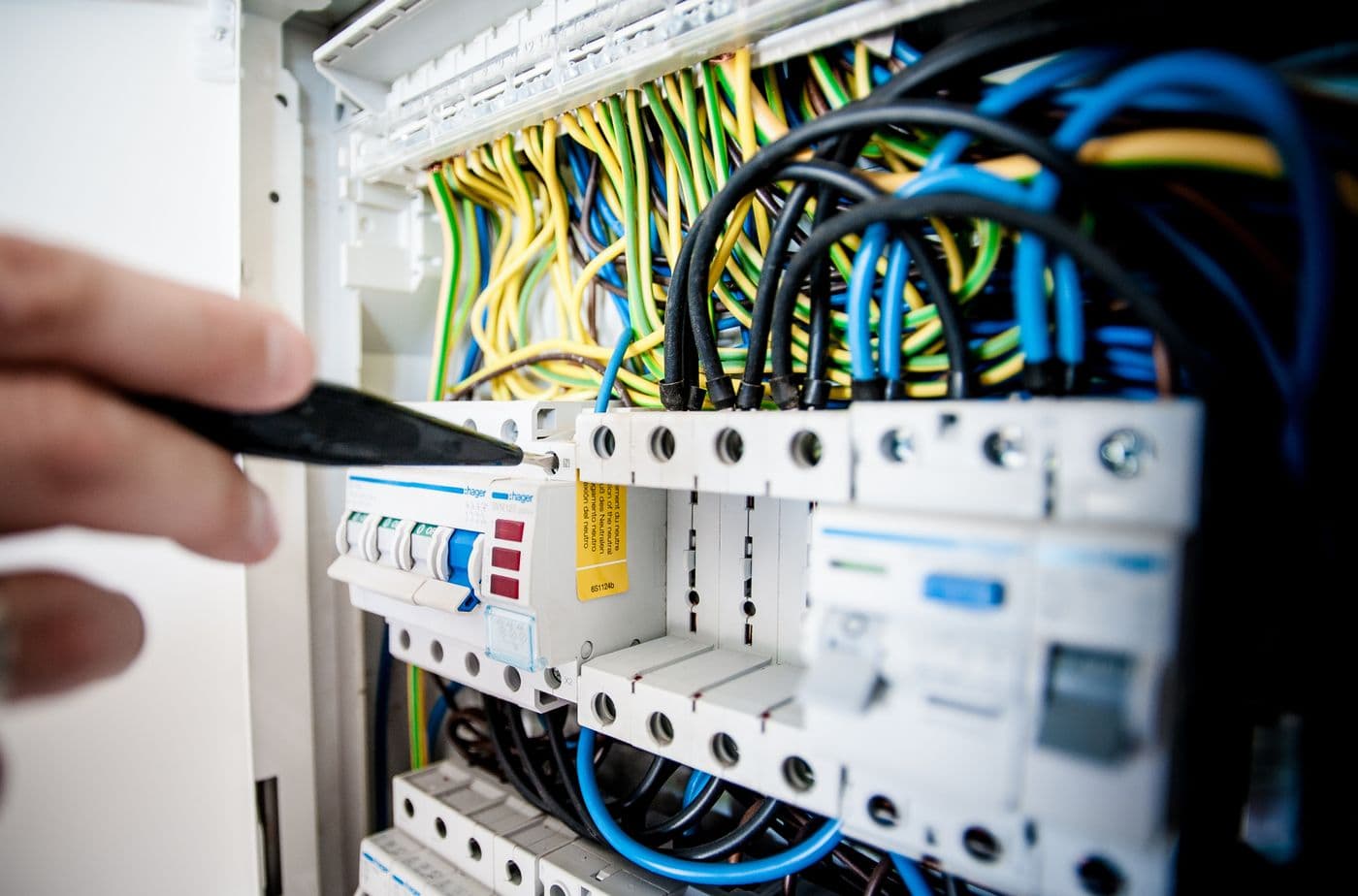
When we attend a tripping call, resetting the breaker is the last thing we do rather than the first. The sequence is to measure the actual load on the circuit under the conditions where it trips, test insulation resistance to find leakage, check every termination at the board for heat damage, and — where the fault is intermittent — isolate circuits and appliances methodically until it is narrowed down.
That takes longer than swapping a breaker, and it is the difference between a repair and a return visit. If the answer turns out to be an appliance rather than your wiring, we will tell you that, because paying an electrician to chase a fault that lives inside a geyser helps nobody.
Safety first
If a breaker trips and you notice a burning smell, smoke or scorching at the board, do not reset it. Switch off the main supply and call an electrician immediately.
Related service
MCB Repair & Replacement
We find why the breaker trips instead of just switching it back on. Same-day MCB and board work across Surat.
Quick answers
Is it safe to keep resetting a tripping MCB?
No. Each reset restores power to whatever is causing the fault, and repeated tripping wears the breaker until it may not protect you at all. Reset once; if it trips again, investigate rather than repeat.
Why does my MCB trip only when it rains?
That is earth leakage caused by moisture reaching a fitting or joint — usually an outdoor point, a terrace light or a bathroom fitting. The water needs finding and sealing out; the protection should never be bypassed.