Almost every emergency we attend was preceded by something noticeable: a breaker that had been tripping occasionally, a socket that ran warm, a light that flickered when the compressor started. The information was available; nobody was looking for it.
What follows is organised by how often each item is worth doing, and it separates clearly what you can check yourself from what genuinely needs an electrician.
Every two to three months
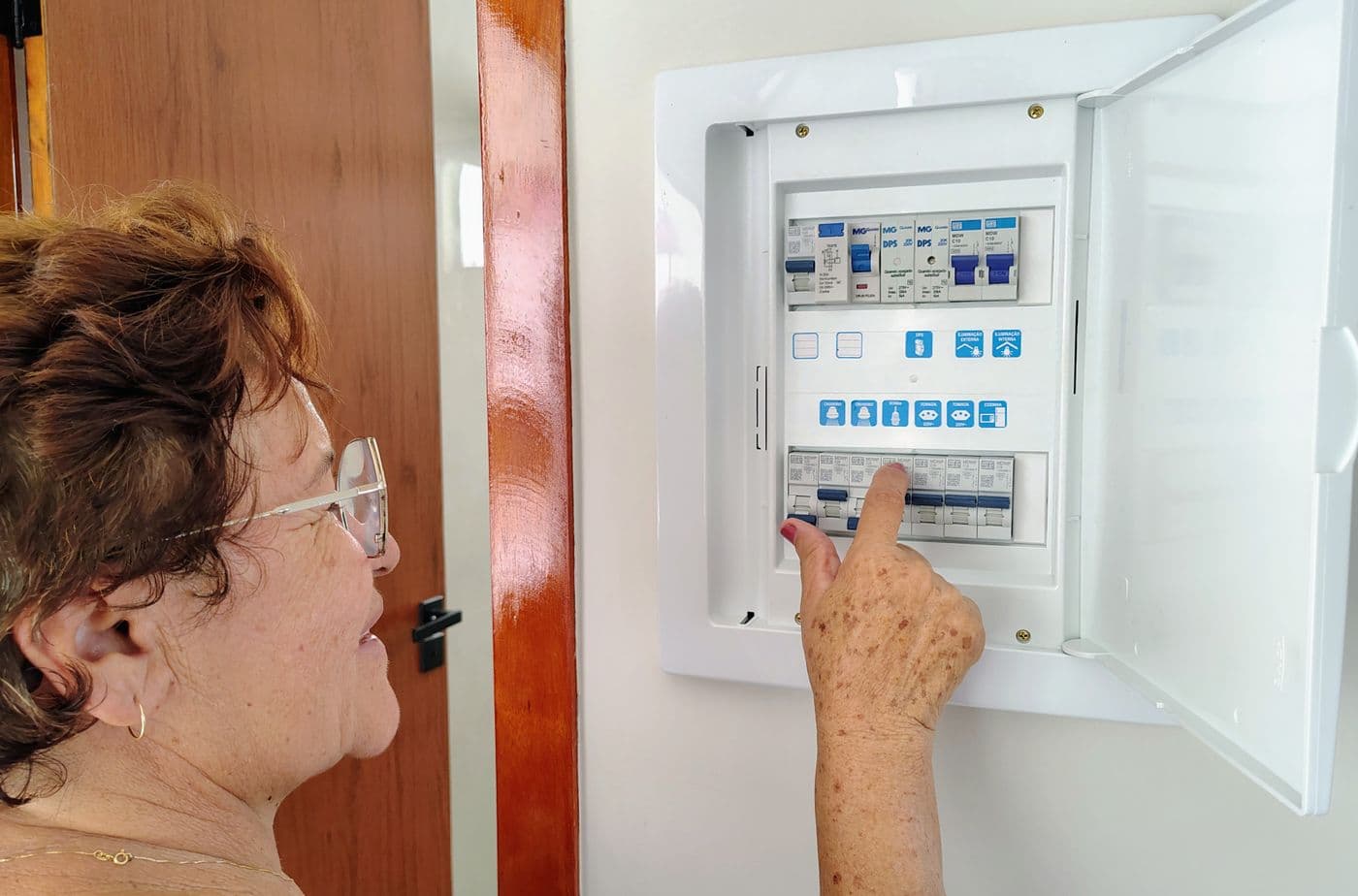
Test the RCCB
Press the test button on the RCCB at your distribution board. It should trip immediately and firmly. Reset it and you are done. If it hesitates or does not trip, the device has failed and needs replacing — this is the highest-value item on the whole list.
Walk round and touch things
Put a hand on the faceplates of sockets carrying permanent load — behind the television, the fridge, the washing machine, wherever a charger lives. They should be at room temperature. Anything noticeably warm needs attention.
Look at plugs and leads
Check appliance plugs for discolouration and leads for damage, particularly where a cable enters a plug or an appliance and where furniture might have been pushed against it.
Before and after the monsoon
This is the seasonal check that matters most in Surat, and it is worth doing properly at both ends of the season.
- Inspect every outdoor and balcony point for a sound cover and seal
- Check terrace and outdoor light fittings for cracked housings or perished gaskets
- Look for damp patches on walls where cables are known to run
- Take down any indoor-rated decorative lighting that is outside
- Confirm outdoor circuits are behind an RCCB — this is the season it matters
- After the rains, check the same points for water that got in and stayed
Monsoon tripping is information
If your board starts tripping when the rains begin, water has reached a connection. Find it. Disabling the protection for the season is the one response that is genuinely dangerous.
Annually — things you can do
- 1Clean ceiling fan blade tops, supporting each blade from below
- 2Tighten fan blade bracket screws and check the down-rod pin
- 3Test every switch and socket in the house, including the ones nobody uses
- 4Check that the distribution board is labelled and the labels are still accurate
- 5Confirm everyone in the household knows where the main switch is
- 6Look over any extension leads in permanent use and ask whether a proper point would be better
Annually — things that need an electrician
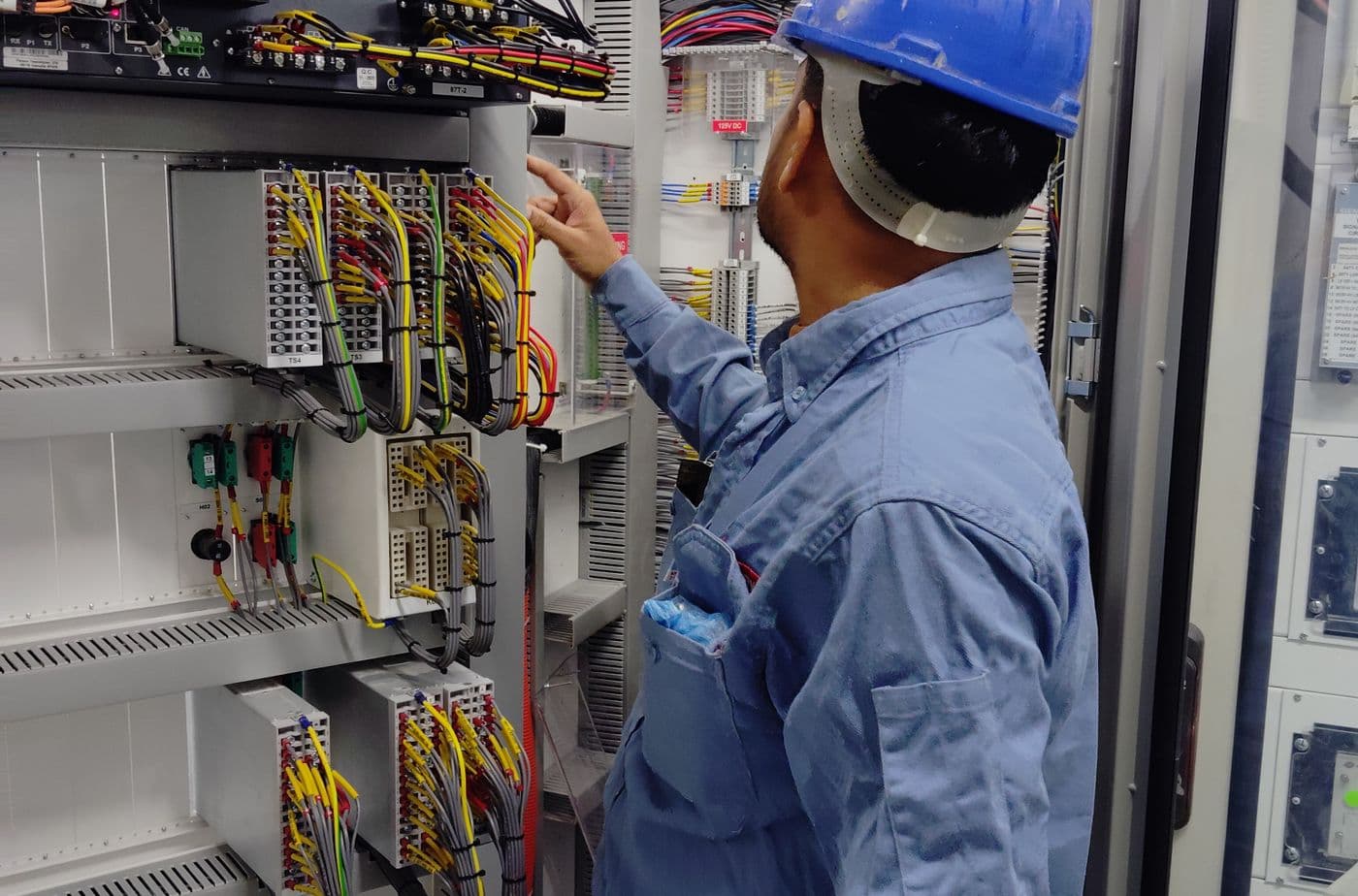
These require test equipment, isolation of live circuits, or both. They are the substance of a professional maintenance visit.
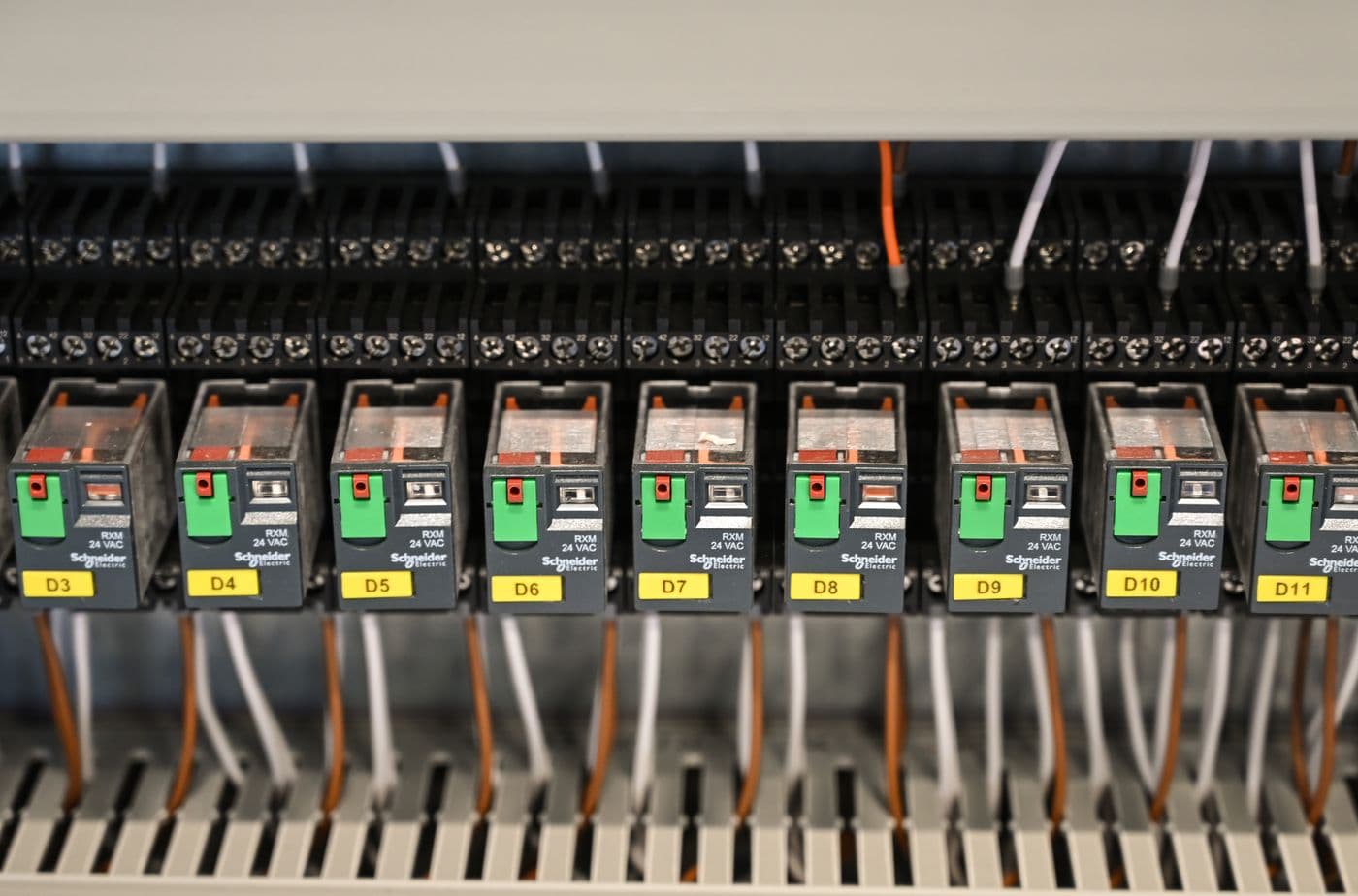
- Opening the board and checking every termination for tightness and heat damage
- Insulation resistance testing on each circuit
- Earth continuity testing to accessible points
- Earth pit or building earth condition, where accessible
- Load measurement across circuits, and across phases on a three-phase supply
- RCCB trip time verification, which goes beyond pressing the test button
- Inspection of fixed appliance connections — geyser, hob, AC isolators
The first item on that list is the most valuable and the least glamorous. Thermal cycling loosens terminals over years, and an hour spent checking and re-making them at the board prevents the overheating faults behind most domestic electrical fires.
When to bring the annual check forward
- After any water ingress — a leak, flooding, a burst pipe near a cable run
- After civil work, drilling or carpentry that may have disturbed concealed cables
- When you take possession of a resale property
- After any incident: a shock, a burning smell, a small fire, a violent trip
- When adding significant load, such as another air conditioner
- If tripping has become a routine part of household life
Keeping a record
Keep the reports from professional visits together, and add your own notes when something happens — a circuit that tripped, a socket that was replaced, the date you last tested the RCCB.
It sounds fussy and it is genuinely useful. An intermittent fault becomes far easier to diagnose when there is a record showing it happens on the same circuit every few weeks. It also makes a property considerably easier to hand over, whether to a buyer, a tenant or a different electrician.
Related service
Electrical Maintenance
Annual maintenance visits for homes, shops and offices, with a written report you can keep.
Quick answers
How often should a home electrical installation be checked?
Once a year for most flats, ideally before the monsoon. Older wiring, or a property where load has been added significantly, is better checked every six months.
What can I safely check myself?
Testing the RCCB, feeling for warm faceplates, inspecting plugs and leads, checking outdoor covers and seals, and cleaning fans. Anything requiring a faceplate to come off, or work at the board, needs an electrician.